Diagnosed with ADHD at 42, sixteen years into the marriage
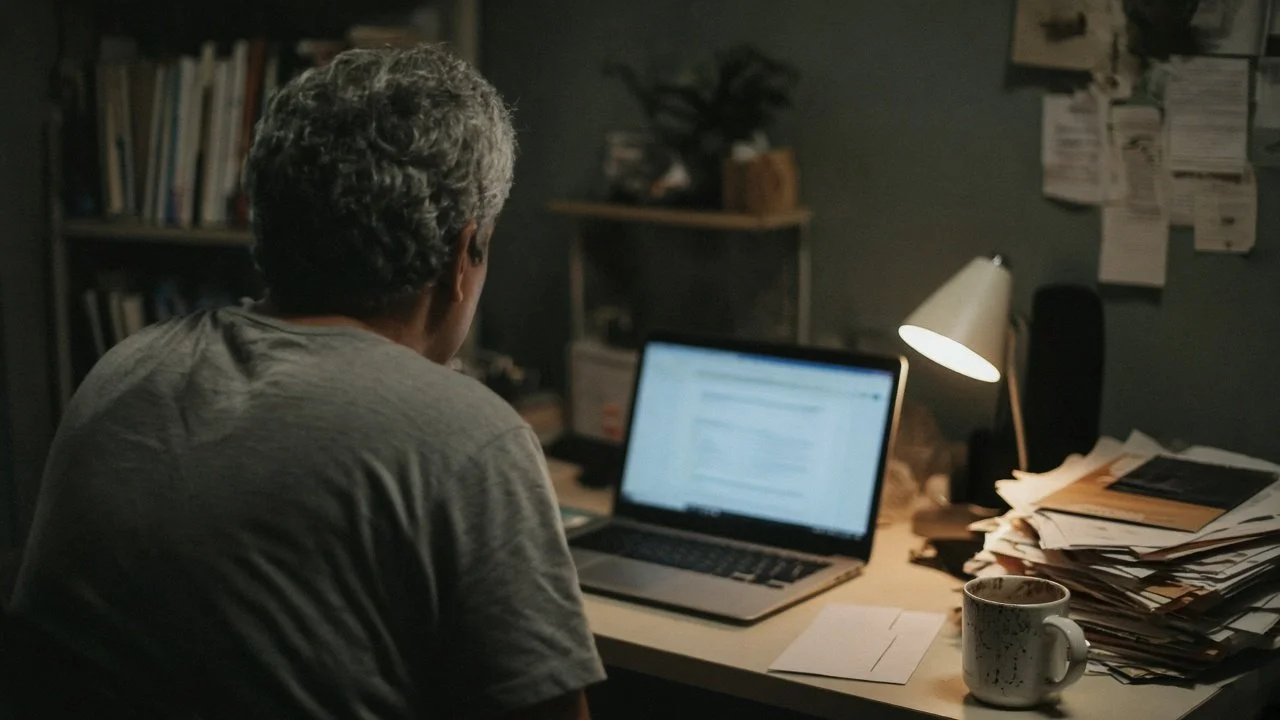
A client I’ll call Daniel* got his diagnosis at forty-two. He sat in the evaluator’s office, heard the word, and felt two things in the same minute. The first was relief so large it embarrassed him. The second was a long, sick calculation of what the previous sixteen years had cost his wife.
By the time he came to see me with Marissa, he had read three books and could explain executive function better than most clinicians. She listened to him do it. Then she said, quietly, “So now I’m supposed to be fine with all of it?”
A late ADHD diagnosis in marriage answers one question and opens a larger one. The larger one is what the two of you do with sixteen years that already happened. Most couples go straight to fixing it, and what they need first is an account of the damage.
What the ADHD diagnosis settles
It settles the story about character. For decades Daniel had been told he was careless, that he didn’t care enough to remember, that he’d be great if he applied himself. He built a successful practice on intensity and last-minute brilliance, and he paid for it at home in a currency neither of them had a name for. The diagnosis lets both of them stop reading forgotten commitments as a verdict on how much he loved her. Marissa had been holding her own version of that story for years, in which every lapse was a message addressed to her.
It also tells you something practical. Willpower was never the missing ingredient, so another year of trying harder will produce the same year. Systems, medication where it’s appropriate, and a different division of labor have a chance.
What it leaves open
Marissa spent sixteen years being the one who remembered. She kept the calendar, caught the dropped appointment, and learned to speak in a tone of voice she hated, the one a person uses to supervise someone they love. She did this believing it was simply what a competent adult does in a marriage. This is usually where couples therapy for ADHD starts: with the partner who has been running the house from memory.
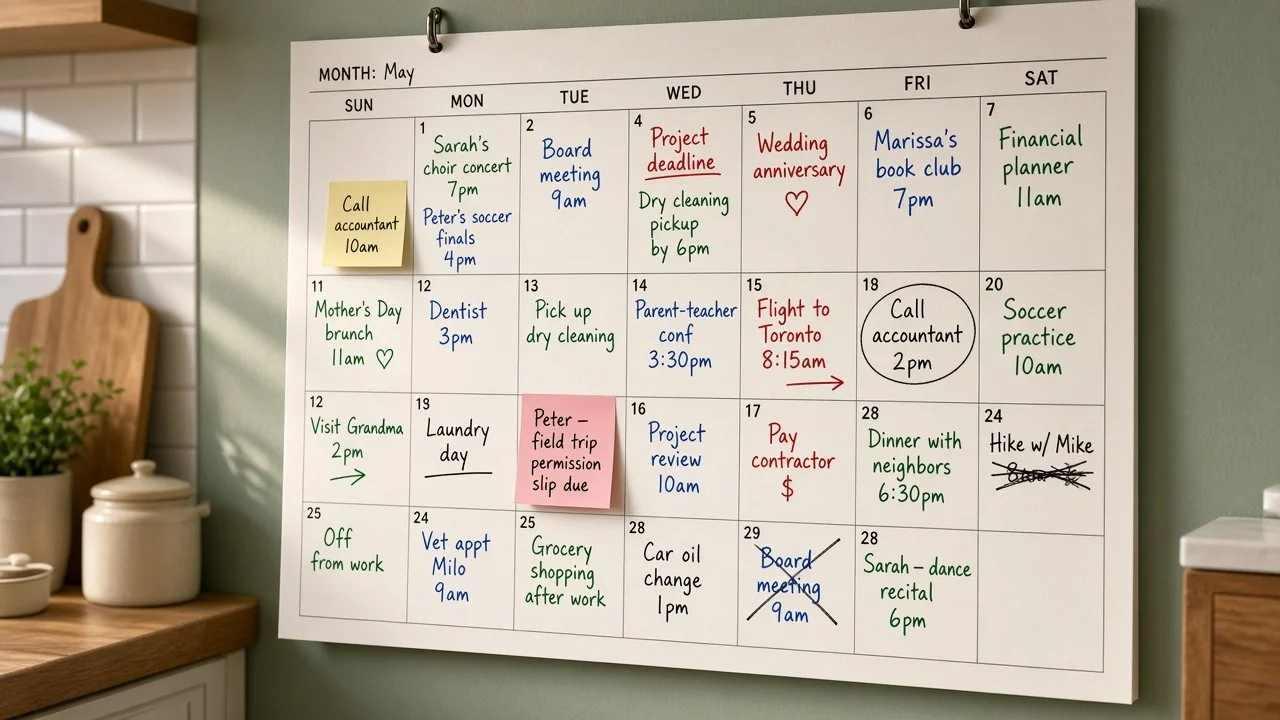
When the explanation finally arrived, she felt something closer to grief than gratitude, along with some anger she didn’t think she was allowed. The diagnosis accounts for the behavior and does nothing to undo the years of living with it. The man she was angry at now had a documented reason, which left her with nowhere sensible to put it.
He wasn't choosing it, and she was hurt anyway.
Each of you has a part
Daniel’s part was real. Knowing he had ADHD did not release him from dealing with it. In the early weeks he used the diagnosis as a very articulate way to stay put, narrating his patterns beautifully while still missing the school pickup.
Marissa’s part was harder to say aloud. She had become expert at managing him, and some of that competence had hardened into constant correction. She also had trouble handing anything back. When he finally took over the bills, she re-checked them, because for sixteen years nobody but her had ever caught the error.
What I’d have you try
The sequence below is roughly what happens in my room, though never this neatly.
-
Step 1
Give the grief its turn before anyone builds a system.The partner who carried the load says what it cost, once and fully, while the other listens and holds back the explanations. Daniel's instinct was to lecture on executive function, and it took him a few sessions to stop.
“I know there's a reason, and I'm still allowed to be sad about it.”
That is a complete sentence, and it needs no neurology attached.
-
Step 2
Put the roles on paper.Write the actual list: bills, calendar, kids, travel, the house, the task nobody wants. Mark who holds each one now and who would hold it better. People with ADHD are rarely bad at everything. They tend to be superb in a crisis and with the long-view conversation, and weak at the quiet recurring task, so the work should follow the brain you have.
-
Step 3
Handing something back is where couples usually stall.If you've been the manager, choose one thing and let the other person do it badly for a month, without checking it and without reminders. Marissa's re-checking of the bills showed how hard that is. Being watched, for a person with ADHD, tends to make the task heavier, because attention goes to being observed and away from the work, and the next mistake then seems to confirm that the watching was needed.
-
Step 4
A request for change needs a second half.“I need the dentist call made by Friday. If a reminder at nine helps, I'll send it once and then I'm out of it.”
That states the ask and says where you can meet the other person.
Where they are now
Daniel and Marissa are not finished. The re-checking took four months to stop. She still catches herself in the supervisor voice, and he has learned to say, without heat, “That’s the voice.” Some Sundays they sit with a legal pad that has two lines on it, and that is a good Sunday.

I’ve done this work for more than twenty years, including over fifteen at CAMH in Toronto, and in late-diagnosed marriages I’m most struck by how much love survived. It had been misunderstood for years, and it was still there. I see couples and individuals at my Lakewood Ranch and Sarasota offices and virtually across Florida and Ontario. If your marriage has been organized around a problem nobody named, the years of distance and resentment may have an explanation you haven’t heard yet.
*Names and identifying details have been changed and composited from couples I see often in my practice. Any resemblance to a specific couple is coincidental.